Phoenix Water Quality Report 2026 Decoded: What the Numbers Actually Mean
Phoenix publishes an annual Water Quality Report under the Safe Drinking Water Act. Here is how to read it and what the numbers mean for your household.
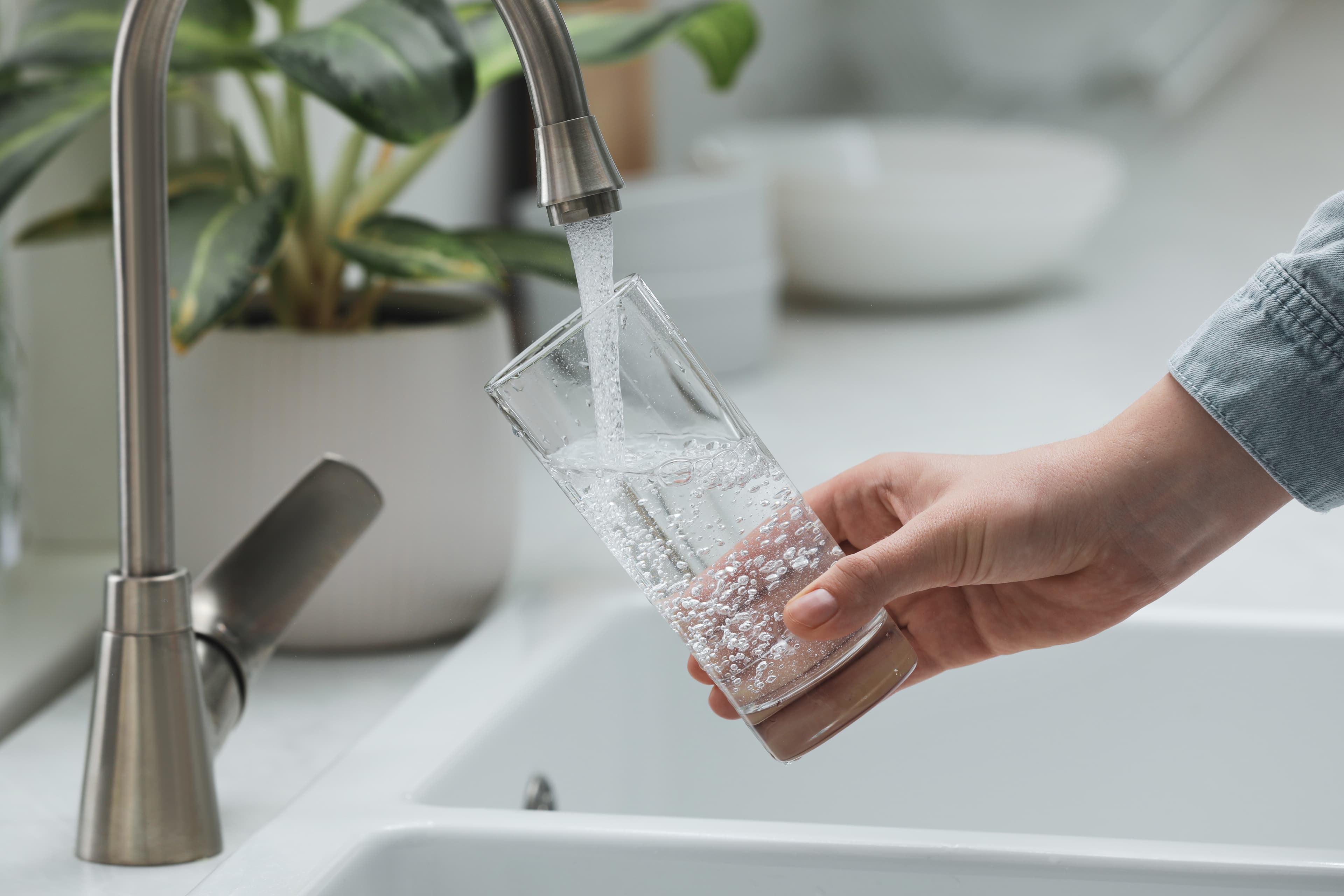
Phoenix publishes a Water Quality Report each year under the Safe Drinking Water Act. The numbers are legal compliance figures, not health guideline figures. Phoenix water met every EPA maximum contaminant level in the most recent testing cycle, the regulatory baseline for safety. What the report does not tell you is how those results compare to the Environmental Working Group health guidelines, set from peer reviewed research rather than cost and feasibility tradeoffs. The gap is significant for several contaminants. Phoenix water tests above EWG guidelines for HAA5 and trihalomethanes. PFAS have been detected in source water since 2023. Hardness runs 12 to 22 GPG and is not regulated because it is a quality issue, but it is what destroys water heaters and drives the dry skin complaints most Phoenix homeowners attribute to the desert. This guide reads the report in plain English. Verify current contaminant levels at phoenix.gov/waterservices before making treatment decisions.
Is Phoenix tap water safe to drink in 2026?
Yes, by EPA regulatory standards, Phoenix tap water is safe to drink. The City of Phoenix Water Services tests hundreds of samples each month and reports results annually. No contaminants exceeded EPA maximum contaminant levels in the most recent cycle. This is the answer the utility is legally required to provide, and it is accurate at the legal-compliance level.
The more nuanced answer is that several contaminants in Phoenix water exceed the Environmental Working Group health guidelines. EPA limits are set by Congress under processes that weigh public health against treatment cost and feasibility. EWG guidelines are set directly from peer reviewed health literature without the cost-feasibility constraint. The result is that EPA legal limits are often 10 to 100 times higher than EWG guidelines for the same contaminant. Phoenix water passes legal tests. Whether it meets EWG-level standards for every household, particularly households with infants, pregnant residents, or immunocompromised members, is a separate question.
What contaminants are detected in Phoenix tap water?
- Chlorine and chloramine residuals: added for disinfection, present at 2.0 to 3.5 ppm at most taps
- Disinfection byproducts (HAA5, TTHMs): formed when disinfectants react with organic matter in source water
- Arsenic: present at trace municipal levels from natural geology in the Southwest
- Fluoride: added at the standard municipal level, typically 0.7 ppm
- PFAS: detected in source water since 2023 at monitored levels; verify current values at phoenix.gov/waterservices
- Hardness (calcium and magnesium): not a regulated contaminant but the primary water quality issue at 12 to 22 GPG
Hardness is the contaminant that matters most for daily life in Phoenix, even though it is not a health issue. At 12 to 22 grains per gallon, Phoenix water carries enough calcium and magnesium to scale water heaters in seven years, film glassware, and dry skin. No EPA limit governs hardness because the federal government does not regulate for aesthetic and appliance-damage reasons. Your utility has no legal obligation to reduce it. That is why water softeners are so common in the Phoenix metro.
What is HAA5 and why does it matter in Phoenix water?
HAA5 stands for five haloacetic acids: monochloroacetic acid, dichloroacetic acid, trichloroacetic acid, monobromoacetic acid, and dibromoacetic acid. They are disinfection byproducts, formed when the chlorine and chloramine used to disinfect water react with naturally occurring organic matter in the source water. The reaction is unavoidable at current disinfection levels. Phoenix draws from the Salt River and Central Arizona Project canal systems, both of which carry organic matter that produces HAA5 when treated.
The EPA maximum contaminant level for HAA5 is 60 micrograms per liter. Phoenix has historically measured below that legal limit. The EWG health guideline for HAA5 is significantly more conservative, set at the level associated with minimal increased cancer risk in long-term exposure studies. Phoenix water has tested above the EWG guideline in prior reporting periods. A whole-home catalytic carbon filter at the main line reduces HAA5 and TTHMs at every tap in the house. Verify current measured levels in the annual Water Quality Report before drawing conclusions about your specific supply.
Does Phoenix water have PFAS in 2026?
PFAS, per- and polyfluoroalkyl substances, have been detected in Phoenix area source water since 2023. PFOA and PFOS are the two compounds with EPA-enforceable limits, finalized in 2024 at 4 parts per trillion each. Phoenix Water Services monitors for PFAS and reports results in the annual Water Quality Report. Specific current measurements should be verified at phoenix.gov/waterservices, as concentrations can change with source water conditions and treatment adjustments.
For Phoenix homeowners concerned about PFAS, reverse osmosis at the kitchen sink is the most reliable point-of-use treatment. NSF-certified RO systems reduce PFOA and PFOS by 95 percent or more in independent testing. Granular activated carbon reduces PFAS but does not achieve the same reduction percentages as RO. The Arizona Department of Environmental Quality maintains PFAS resources at azdeq.gov/pfas-resources. We recommend reviewing that resource for current Arizona-specific guidance.
How does Phoenix water compare to bottled water?
Phoenix tap water runs 550 to 700 ppm total dissolved solids. That dissolved load includes hardness minerals, disinfection byproducts, trace minerals from the source, and treatment residuals. Premium spring bottled water averages 95 to 180 ppm TDS, and that mineral composition is dominated by calcium and magnesium in ratios that the body uses more efficiently. Standard grocery-store purified water, typically RO with minimal remineralization, runs below 30 ppm TDS.
Our Sanctuary tier builds use a four-stage RO system at the kitchen with a remineralization stage that adds back calcium and magnesium at 8 mg per liter and 4 mg per liter respectively. The result is 45 to 65 ppm TDS water with specific minerals at absorption-friendly concentrations. That is comparable to the mineral profile of high-quality spring water at a fraction of the per-liter cost. The carbon and softener at the main line address the chloramine and hardness that affect showers and appliances.
What filtration addresses the concerns in the Phoenix Water Quality Report?
A whole-home catalytic carbon filter at the main line addresses chlorine, chloramine, HAA5, and TTHMs site-wide. A water softener addresses hardness. A reverse osmosis system at the kitchen addresses PFAS, arsenic, fluoride, and dissolved solids at the drinking tap and refrigerator. The three systems together cover every concern documented in the Phoenix Water Quality Report and all EWG guideline exceedances from prior reporting periods.
Frequently asked questions
- Is Phoenix tap water safe to drink in 2026?
- Phoenix tap water meets all EPA legal maximum contaminant levels and is considered safe by regulatory standards. However, several contaminants exceed the Environmental Working Group health guidelines, which are set from peer-reviewed research rather than legal compliance thresholds. Whether that is acceptable depends on your household priorities and health context.
- What contaminants are in Phoenix tap water?
- The main contaminants detected in Phoenix water include chlorine and chloramine residuals, disinfection byproducts including HAA5 and trihalomethanes, arsenic at trace levels, fluoride at standard municipal levels, and PFAS detected in source water since 2023. Hardness from calcium and magnesium is not a contaminant but is the most impactful water quality issue for Phoenix homes.
- Does Phoenix water have PFAS in 2026?
- PFAS compounds have been detected in Phoenix area source water since 2023. The EPA finalized maximum contaminant levels for PFOA and PFOS at 4 parts per trillion in 2024. Phoenix Water Services reports PFAS monitoring results annually. Verify current detection levels at phoenix.gov/waterservices. Reverse osmosis at the kitchen removes PFAS to below detection limits.
- What is HAA5 and is it a concern in Phoenix water?
- HAA5 stands for five haloacetic acids, a class of disinfection byproducts that form when chlorine reacts with organic matter in source water. The EPA legal limit for HAA5 is 60 micrograms per liter. Phoenix water has historically tested above the EWG health guideline for HAA5, which is more conservative than the legal limit. A whole-home carbon filter reduces HAA5 at the tap.
- How is Phoenix water different from bottled water?
- Phoenix tap water runs 550 to 700 ppm total dissolved solids. Premium spring bottled water averages 95 to 180 ppm TDS. Filtered and remineralized reverse osmosis water runs 45 to 65 ppm TDS with specific added minerals. The difference is the dissolved mineral load, including hardness minerals, disinfection byproducts, and trace contaminants not present in distilled or RO water.